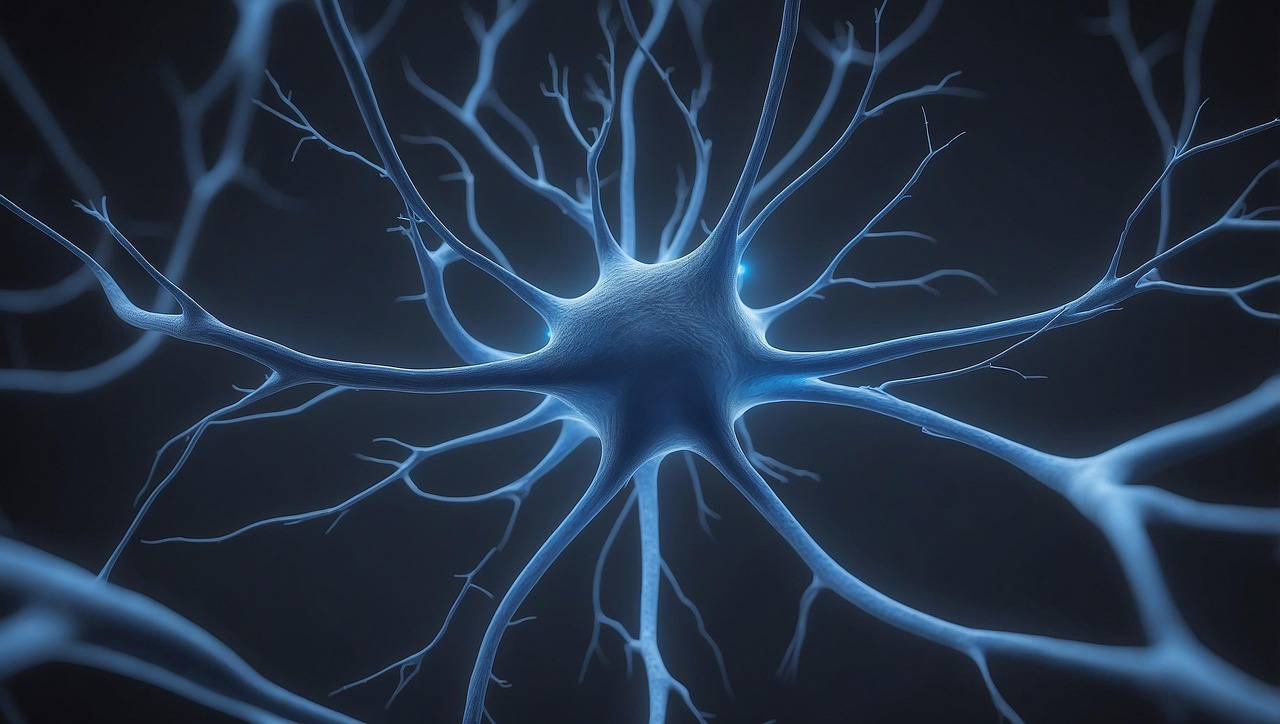
How Anxiety Shrinks Our Brain
By Dee Taylor-Jolley
Our brain. Our control center. Our problem-solver. The place where our next big idea comes from!
When we’re worried, stressed, and braced for the next horrible thing to happen, our brain pays the price.
Neuroscience confirms what many of us feel every day. Long-term anxiety and stress alter our physical brain structure. And that’s not good.
The Research
Don’t believe me? Multiple studies have documented that chronic anxiety and prolonged exposure to stress hormones (especially cortisol) lead to a loss in our key brain regions. And these are the Hippocampus, the Prefrontal Cortex and the Amygdala.
Alright. Let’s break those big words down.
The hippocampus handles our learning, memory, our emotional regulation, and our perspective. Research from McEwen & Gianaros (2010) and MRI studies published in Nature Reviews Neuroscience show that sustained stress is associated with reduced hippocampal volume.
That means our memory worsens, emotional stability weakens, and our rational thinking gets cloudy.
The prefrontal cortex is the “CEO of our brain.” He’s responsible our decision-making, focus, planning, emotional control, and resisting impulsive reactions.
Chronic stress reduces the “neural connections.” And that’s our brain and nerves working together like a big message-sending system in our bodies.
And lastly, the Amygdala. That’s our brain’s smoke alarm. It’s responsible for detecting threats and triggering our fear responses.
When we’re under constant stress, the amygdala becomes overactive and enlarged, according to studies published in Biological Psychiatry.
In other words, our fear circuits get stronger, while our calm circuits get weaker. What a mess!
So, when we are anxious, we get trapped in an endless loop of stress, to heightened fear, to impaired reasoning, to more stress.
And I’ll be honest, of course I believe that “digital overload,” news cycles fueled by outrage, financial pressures, family demands, and our nonstop “on culture” don’t exactly promote peace of mind. They feed our neurological merry-go-round!
But Don’t Panic! There’s Good News
Our brain can heal. How? Our brain is plastic. What?
That means it can change, regenerate, and rewire.
Neuroscience calls this ability “neuroplasticity.” Studies show the brain can increase hippocampal volume, strengthen the prefrontal cortex, and calm the amygdala, when we change how we live! Of course I love this!
In other words…
Our brain shrinks under anxiety. And can grow back under peace.
What changed our brain can also heal our brain, when we choose our habits wisely.
Here are 7 Ways to Save & Strengthen Our Brains
- Move Our Bodies
Exercise grows brain cells. Research from the University of Illinois and Harvard shows aerobic movement increases BDNF (brain-derived neurotrophic factor). It’s known as “miracle-grow for neurons.” It encourages hippocampal regrowth and improves emotional regulation.So, walk, dance. stretch. Do something with movement every day.
- Practice Stillness
Meditation isn’t mystical. It’s medicine.MRI studies from Harvard Medical School revealed that just 8 weeks of mindfulness practice increased hippocampal thickness and reduced the size of the amygdala. Prayer, breathwork, gratitude journaling, or just silence all count.
Stillness for 5 minutes a day can reshape our brain.
- Protect Our Sleep
Sleep is the brain’s repair shop.Chronic anxiety plus sleep deprivation accelerates memory loss and emotional instability.
Quality sleep restores neurotransmitter balance and reduces cortisol levels.
7 to 9 hours in a dark room. No “doom-scrolling” before bed allowed!
- Guard Our Inputs
What we listen to shapes our mind. Constant exposure to fear-based news and negative content overstimulates the amygdala. Studies show excessive negative digital input increases anxiety markers.Replace some news segments with uplifting podcasts, worship music, laughter, or audiobooks that inspire and encourage our growth and development.
- Speak Hope Out Loud
Cognitive-behavioral research shows that “thought redirection” builds new neural pathways. Optimistic words and language strengthen the prefrontal control over emotional responses.When anxious thoughts appear, say:
“I am safe in this moment.”
“I can handle what’s in front of me.”
“This feeling is temporary.”Talk to yourself like someone you love - because you are worth loving!
- Connect with People
Isolation makes anxiety louder. Our social connections increase oxytocin. And that’s the hormone that counterbalances cortisol.Research consistently links meaningful relationships with lower anxiety and greater brain health.
Use your cell phone and chat with a friend. Lonely? Join a community to serve, encourage and or even teach a skill or knowledge you have.
- Feed Our Brain Well
Our brains don’t just survive on sugar and caffeine - which is a temporary high, by the way. It needs real nourishment, like omega-3s, antioxidants, and a diet rich in whole foods.
Closing Thoughts
Anxiety shrinks our brain. But peace expands it.
We don’t just want to manage anxiety. We want to retrain our brains and reclaim our lives!
We were not designed to live in survival mode. We are designed for vision, creativity, wisdom, and emotional strength.
Every peaceful practice we choose to perform (from my list of 7 above), is more than just self-care.
It’s our brain's medicine. Get busy and review my list.
Honestly, how many items are you practicing right now? Up your game today! Increase your brain size. Reduce your anxiety.
Research Sources
- McEwen, B., & Gianaros, P. (2010). Stress- and glucocorticoid effects on brain structure and function. Nature Reviews Neuroscience.
- Arnsten, A. (2009). Stress signaling pathways that impair prefrontal cortex structure and function. Nature Reviews Neuroscience.
- Vyas, A. et al. (2002). Chronic stress induces contrasting patterns of remodeling in hippocampus and amygdala. Biological Psychiatry.
- Hölzel, B. et al. (2011). Mindfulness increases gray matter density in the brain. Psychiatry Research: Neuroimaging.
- Erickson, K. et al. (2011). Exercise training increases hippocampal volume. Proceedings of the National Academy of Sciences (PNAS).
