Flexing
By Dee Taylor-Jolley
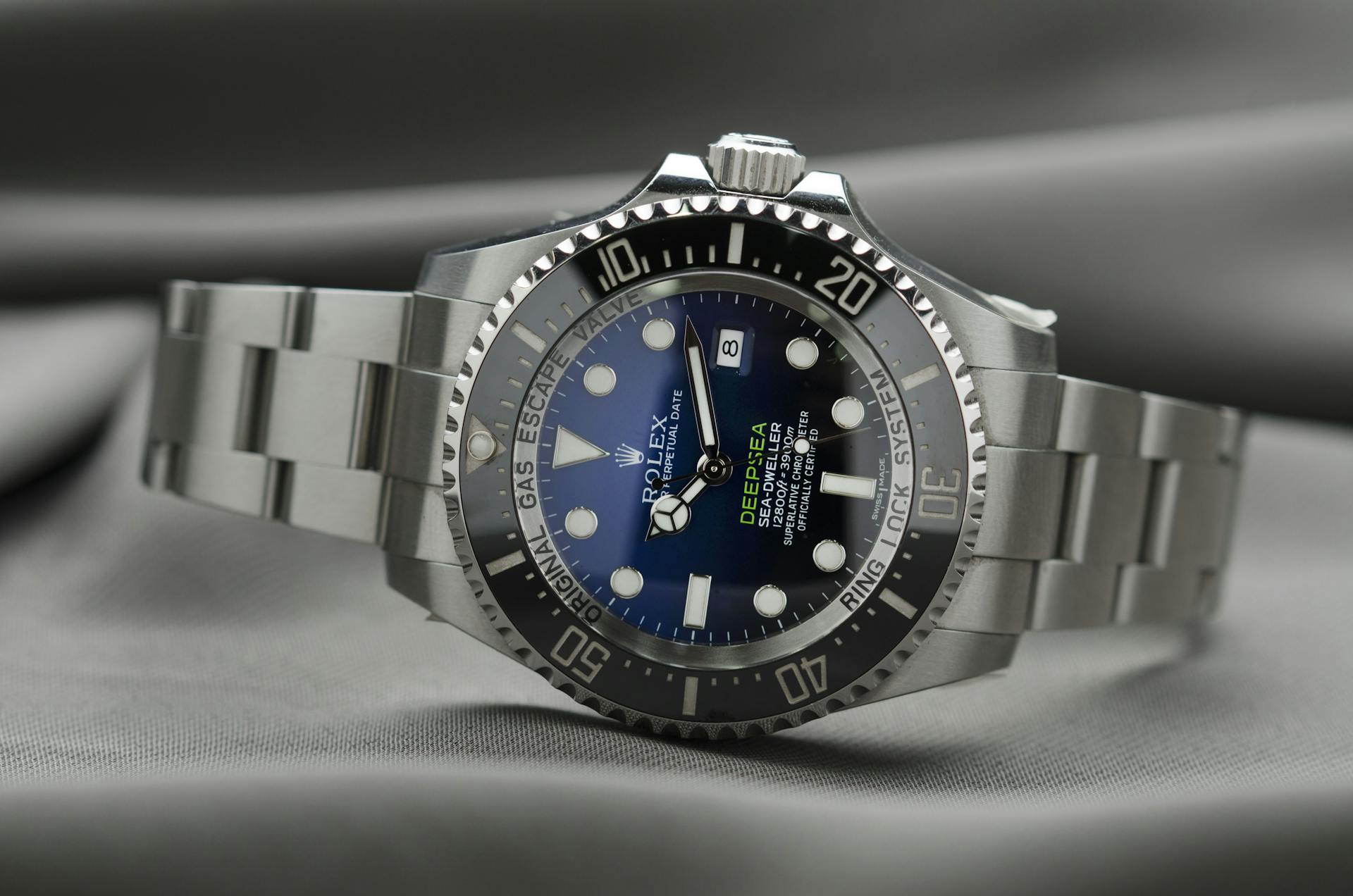
I feel like we’ve all done it. The logo on your handbag, the brand name on your shirt, the shiny thing on your wrist.
Flexing is seen as “borrowing your value” from the logos you wear and/or the items you possess and probably cannot afford.
Keeping up with those Joneses? Who are the Jones anyway?
Today, with social media, we get likes, compliments, envy and attention.
But “borrowed worth” doesn’t last. You’ll need another hit. Another purchase. Another post. Another “look at me.”
Research suggests that when people feel threatened or insecure, they’re more likely to reach for status goods as a form of ego repair, like an emotional “first aid.”
And when life feels uncertain, buying something luxurious can create a temporary sense of control and competence.
So, the flex becomes less about, “I’m proud,” and more about, “This confirms I’m okay.”
Luxury is the perfect flex fix right now. Because it’s very visible.
It’s in our hands all day long - living right inside that phone. You don’t have to step into a Nordstrom to feel the pull.
And the secondhand market and resale outlets have become a real entry point for “aspirational consumers,” people who may not be wealthy, but still want the feeling luxury promises.
Side note.
I was the queen of thrift shopping before it was trendy. How sad. I’m angry with myself every time I think of the money. I wasted what I could have invested in stocks and bonds that would be paying me dividends right now! But I’m in recovery.
There are reports that households making under $50k are a sizable share of the “regular luxury consumer.” And research shows that brands are courting broader participation through lower-priced entry items.
You may have seen that viral claim that 70–75% of luxury spending comes from middle- and lower-income shoppers. I tried to track down the original source and came up empty, so I won’t preach a number I can’t prove.
But the trend is clear: luxury is increasingly marketed as “emotional access” - a way to feel successful, stable, chosen, and seen.
The real question is, what are we really buying?
Now let’s be fair. Sometimes people buy luxury because they love the craftsmanship, the design of the garment, and the joy of a hard-earned milestone. And they can financially afford it.
That’s not the issue.
When “flexing” becomes a habit (that you cannot afford), what are we covering up:
- “I don’t feel important.”
- “I don’t feel secure.”
- “I don’t feel respected.”
- “I don’t feel loved unless I look like I’m winning.”
And my hard truth is, we can’t heal an identity crisis with a shopping bag… I been there and done it all too.
Not being able to clearly articulate my own identity - or even who I thought I wanted to be. No clear goals - for the week, the month, how about for the year. For the decade? No way!
I often felt lost; but looking successful distracted me from becoming financially independent.
Stuff? Items wear out. Policies change. Planned obsolescence is real. That way we’re invited - again and again and again to buy the next thing to keep the feeling alive.
Here’s the blessing I’ve discovered. When we build our self-worth (from the inside out) the need to flex fades. It no longer is necessary. Praise the Lord!
Self-worth is built quietly. Privately. With discipline. Like:
- Reading. Studying. Reflecting. Learning.
- Getting the finances organized: Save 25% of our total gross income, if not more….for emergencies, lost job, illness, auto repairs, etc.
Fund employee 401(k) to the max - $24,500 for year 2026.
Fund your ROTH to max $7,500. $8,600 if 50+ (includes 2026 catch-up)
- Get in the rooms where you can grow intellectually
- Learn asset management and succession planning
- Make decisions today that will determine your financial life a decade from now.
And practice 5 “anti-flex” moves:
- Pause before you post or purchase. Ask: “What am I hoping people will think about me, and why do I care?”
- Do 3 important things nobody sees. a. Pay off a debt. b. Read a non-fiction book on building self-discipline, how to build habits, knowing your worth, etc. c. Fund your ROTH! Think. Quiet progress builds loud confidence.
- Journal your evidence. Track what you’re doing i.e. learning, improving, and overcoming. When you look back weeks, months, or even years later, you’ll see how far you’ve come. That’s real proof. No audience needed.
- Upgrade your identity statement. No “I’m trying.” Say: “I’m becoming the person who is ...”
- Choose your circles very carefully. Are you in spaces where you’re learning, or just taking up space?
Final Thoughts
Flexing is often a signal, not of how important someone is, but of how hard they’re working to feel “important to others.”
And I get it. Life is loud. Social media is even louder. And some people make money appearing successful to those who feel they are not.
Just remember: a logo can never do the job that your self-worth was born to do.
Build your self-worth from the inside out! Do it now!
