No One Has Time for That!
By Dee Taylor-Jolley
Life is short.
Let’s not waste our time and opportunities on the banal - the obvious and boring stuff of life like, "How's the weather?" or "What have you been up to lately?" "How’s your mother?" "Read anything good lately?"
These questions are designed to create quick, easy connections. They allow us to have something in common despite being strangers or not having seen each other in a while.
But we are already connected.
We already know these things before we say a word to each other! We are sharing the same space, so we have experienced the same weather.
Do you really care what they’re reading? 33% of high school graduates never read another book the rest of their lives. And 42% of college grads never read another book after college!
What we ask is just information – not knowledge or insight or wisdom. It has little meaning or insight into the lives of those we are with.
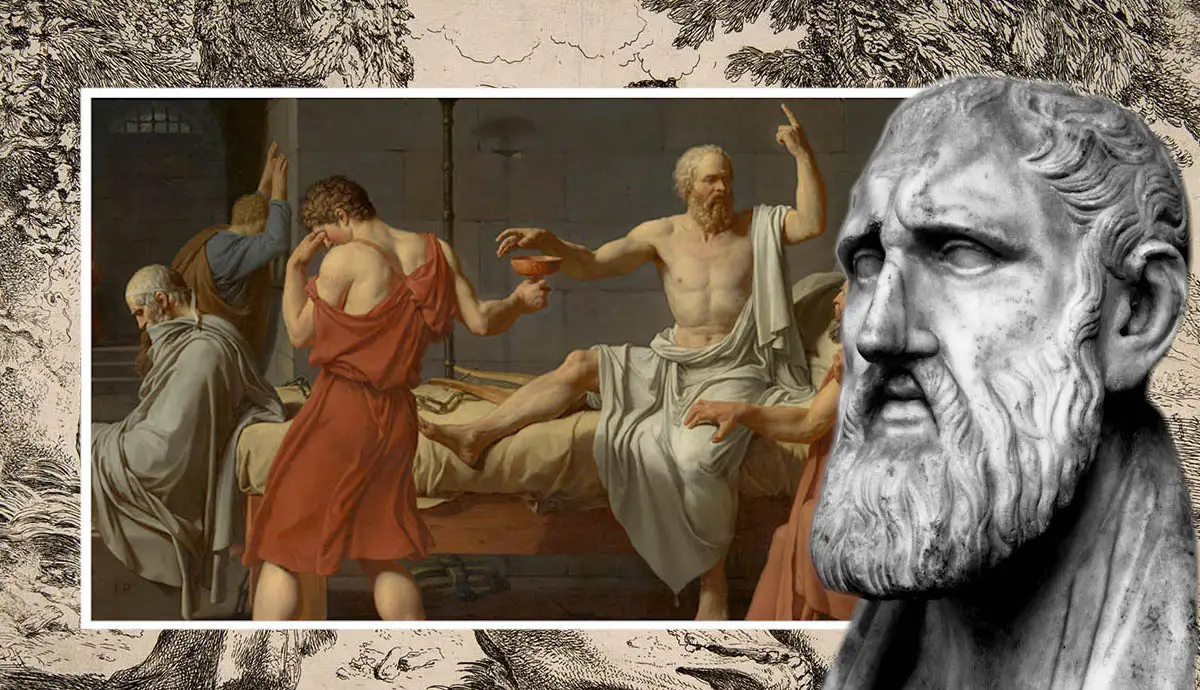
How about having a real conversation like The Stoics of centuries ago?
The Stoics, a school of ancient Greek philosophy, was founded in Athens by Zeno of Citium in the early 3rd century BCE.
Stoicism placed emphasis on personal ethics, rationality, and self-control.
While they did not specifically develop a system for real conversations in the modern sense, their philosophy offered principles that could be used by us today to improve our interpersonal communication.
Here are 6 Stoic principles that can be applied to our real conversations:
- Mindfulness
The Stoics practiced being fully present in the current moment. This will enhance the quality of our conversations by ensuring that we are attentive and engaged. - Controlling Reactions
The Stoics taught individuals to focus on what they could control and accept what they could not.We can use this principle in our conversations by controlling our emotional reactions and responses to others. We can reason together rather than react. - Understand
The Stoic focused on understanding others and cultivating empathy. This can help us in our conversations by fostering a genuine interest in others' perspectives and experiences. - Be Virtuous
They believed in speaking with humility, honesty, and kindness. Applying this principle in conversations will help us be more positive and constructive in our language. - Avoid Gossip
The Stoics discouraged gossip and excessive complaining. My mom (the First Lady of our church) would remind me, whenever I started to comment about a person who had frayed my last nerve.She’d say, "DeeDee, little people talk about other people, medium size people talk about things and big people talk ideas. Which one are you?” - Accept External Events
They taught to accept the external events that are beyond our control.
And I add that we must pray for wisdom to learn the difference! Knowing this can promote a sense of calm in our lives.
Summary
While the Stoics did not specifically outline a guide for real life conversations, their ethical and philosophical principles can be used to improve our interpersonal communication today.
It may help foster our personal and professional growth and development.
So, get real. Speak the truth. Ask the uncomfortable questions. Share.
We must learn to push through the superficialities of introductions or reacquaintances, to greater understanding and deeper connection.
Topics like philosophy, life, love, death, virtue, fate and fortune. Real stuff.
These little factoids are what put the trivia in trivialities.
The Stoic Marcus Aurelius said, “Do not live as if you have endless years ahead of you. Death overshadows you.”
Now, that’s a very sobering thought. I think most of us assume we have the luxury to put things off till tomorrow. We leave things unsaid, undone and unfinished. Until tomorrow does not come!
A key principle of Stoics is to leave nothing unsaid. To tell people that I love them. Or that I appreciate them. And to encourage them to do the same thing.
No talking about the weather, no talking the social media post or the fine dining experience that cost your date $789.00 for one evening! No "small stuff.”
We must always keep in mind that we “could leave life right now,” as Marcus Aurelius writes.
It’s happening as it always has and always will. It’s driven by forces we can’t comprehend decisions and factors we don’t control. All we can do is step back and observe. All we can do is accept what is. All we can do is decide not to be upset, hurt, offended, broken, or bitter. That we don’t have the time to indulge in idle chit chat, to complain about small stuff, to leave things unsaid.
We can’t take tomorrow for granted. We must do what we can, while we can, for whom we can.
Need a one-on-one accountability partner, encourager and/or coach?

Dee Taylor-Jolley is the COO of Willie Jolley Worldwide. She provides back office operational strategies that help small businesses maximize their profits.